How NIR Spectroscopy is Transforming Agricultural Quality Monitoring

In today's agricultural landscape, ensuring the quality of food products is paramount. Consumers demand transparency and consistent quality, while producers strive for efficiency and sustainability. Enter near-infrared (NIR) spectroscopy, a powerful tool that is transforming the way we monitor agricultural commodities.
What is NIR Spectroscopy?
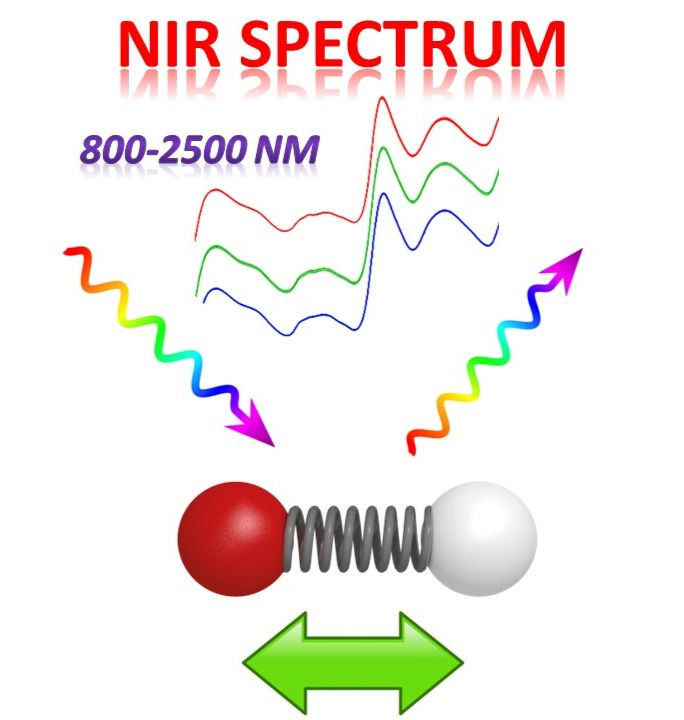
NIR spectroscopy is a non-destructive technique that analyzes the chemical composition of a sample based on the interaction of near-infrared light with its molecules. This interaction creates a unique spectral fingerprint, which can be used to identify and quantify various components, such as:
Moisture content
Protein levels
Fat content
Sugar content
Maturity
Disease presence
Benefits of NIR Spectroscopy in Agriculture:
Non-destructive: NIR spectroscopy analyzes samples without causing any damage, allowing for repeated measurements on the same product and minimizing waste.
Rapid: Unlike traditional wet chemistry methods, NIR spectroscopy provides results in seconds or minutes, enabling real-time decision-making.
Accurate: NIR spectroscopy offers high accuracy and precision, ensuring reliable quality control throughout the supply chain.
Cost-effective: NIR instruments are becoming increasingly affordable, making them accessible to a wider range of farms and businesses.
Versatile: NIR spectroscopy can be applied to a wide variety of agricultural products, including grains, fruits, vegetables, meat, and dairy.
Applications of NIR Spectroscopy in Agriculture:
Pre-harvest monitoring: NIR can be used to assess crop maturity, optimize harvest timing, and identify potential problems before they impact yield and quality.
Grading and sorting: NIR can accurately grade and sort agricultural products based on various quality parameters, improving consistency and market value.
Post-harvest quality control: NIR can monitor changes in quality during storage and transport, ensuring optimal conditions and minimizing spoilage.
Food safety: NIR can detect contaminants and adulterants, ensuring the safety of food products.
Breeding programs: NIR can be used to identify and select plants with desired genetic traits, accelerating the development of improved varieties.
The Future of NIR Spectroscopy:
With advancements in technology and data analysis, NIR spectroscopy is poised to play an even greater role in agriculture. Portable and handheld NIR devices are making this technology accessible even to small-scale farmers. Additionally, the integration of NIR with other technologies, such as artificial intelligence and machine learning, is opening up new opportunities for automated quality control and precision agriculture.
Conclusion:
NIR spectroscopy is revolutionizing the way we monitor the quality of agricultural commodities. This powerful technology offers significant benefits for producers, consumers, and the environment. As NIR continues to evolve and become more accessible, it is sure to play an increasingly important role in ensuring a sustainable and high-quality food supply for generations to come.



Comments